Winter Light in the Civic Garden
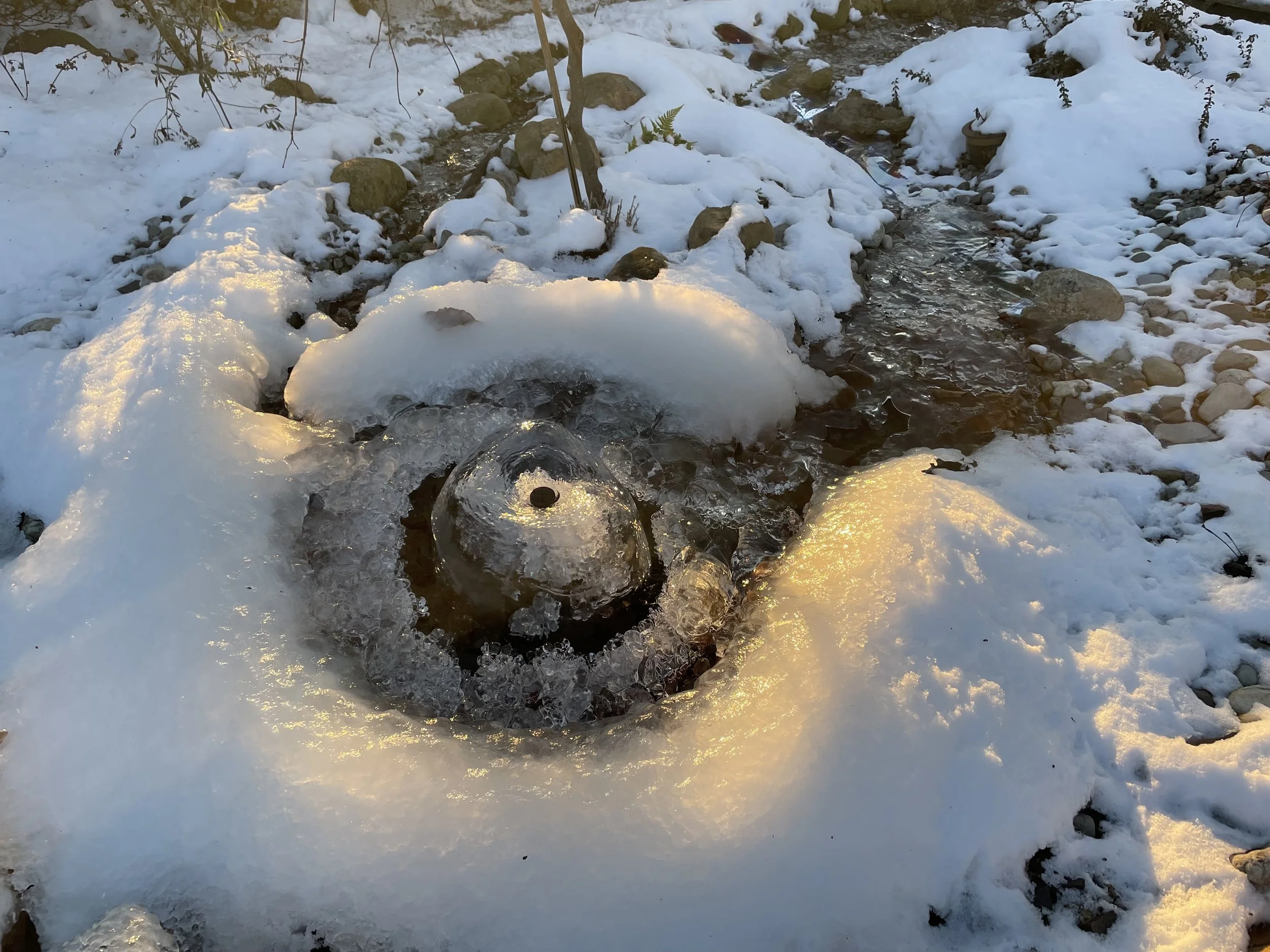
Even during the coldest seasons, the sun continues to rise, and nature gradually thaws that which has frozen. Ice persists only in the absence of sustained light, pressure and warmth. The challenge is whether we, as stewards of democracy, can maintain these—long enough to dissolve the ICE policies that threaten to freeze democracy’s progress.
A New Lens
As I read reports on immigration enforcement since Trump began his second term, I see a structural drift that is easy to miss but hard to ignore. In the wake of 9/11, the creation of the Department of Homeland Security (DHS) in 2003 consolidated agencies with fundamentally different missions under a single executive umbrella. This included the creation of Customs and Border Protection (CBP) and Immigration and Customs Enforcement (ICE) in place of the civilian Immigration and Naturalization Service (INS). The stated goal was coordination and protection from threats originating beyond our borders. Over time, however, I’ve watched our national security concerns being refracted inward through the lens of “homeland security,” transforming civil immigration governance into a punitive enforcement regime. Civil infractions are treated as criminal threats; incentives reward volume and speed over accuracy and fairness; power concentrates upward while accountability thins. The result is not greater safety, but a chilled civic climate in which intimidation replaces governance and coercion replaces care.
Light vs Darkness
As daylight stretches a few minutes each day, I trust that winter will loosen its grip—it always does. But this civic winter did not arrive with a single, dramatic freeze. It crept in gradually, through permits and procurement contracts, through bureaucratic phrases like “not subject to local zoning” or “claims temporarily suspended.” I’ve learned to pay attention to those as signals for concern—they sound distant, unrelatable, and beyond our influence, but they aren’t.
Systems rarely fracture through overt brutality alone. More often, they harden through disassociation: warehouses renamed as facilities, people reduced to case categories, responsibility passed upward until no single hand appears to hold it. I see decisions migrate away from public sight, and accountability dilutes as authority concentrates. In that cold, procedural space, harm becomes easier to deny—not because it isn’t happening, but because it has been rendered abstract. Abstraction, like frost, thrives in darkness—when eyes close, attention drifts, and hope loosens its grip.
Conditions for Thaw
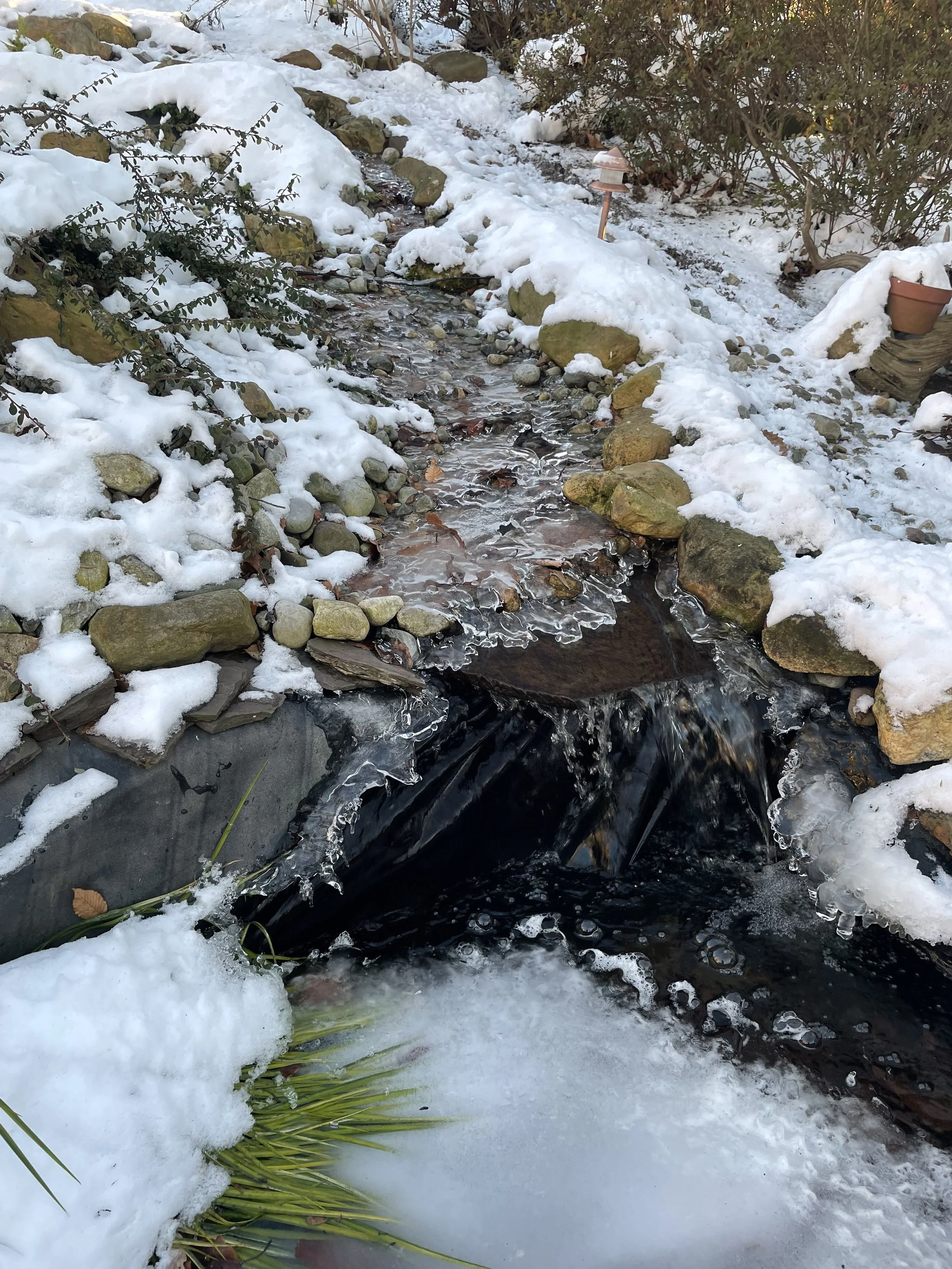
Just as evergreen groundcover pokes through the ebbing snowpack, hope, too, is revealed—through individual actions and collective gatherings. Residents of Minneapolis continue to protest peacefully while protecting and providing for their neighbors. State legislators in California, Illinois, Maryland, Oregon, and New Jersey have passed laws or policies limiting or blocking new immigration detention contracts or facilities. In New Mexico, Colorado, and New York, similar measures to ban contracts or reduce detention are pending—evidence that this work continues to spread when civic stewardship is sustained. And residents, like those who spoke out in Surprise, Arizona last week, remind their city councils that proximity still matters. We may not control federal policy, but we are never absolved of what grows—or cages—just outside our town lines. Independent journalism is growing rapidly and can keep the public informed and focused on fact when legacy media often elicits engagement through outrage or diversionary distraction, sometimes by design. Knowing “enough” is the threshold; after that, tending local government - like a community garden we all share - is simply part of the work.
I am a resident of a rural county on Maryland’s Eastern Shore. Aside from nationally organized No Kings rallies—which I do attend—there is little public gathering of note nearby. I am also a caregiver for a disabled spouse, so travel beyond my county is currently reserved, for medical appointments and condo searches. Nonetheless, I am not powerless, helpless, or hopeless. What I do is recognize and honor my bandwidth, choose causes I am passionate about, make targeted phone calls, write intentional pieces, share scripts, and let rallies serve as amplifiers and sources of renewed energy. I try to pace my efforts so I can stay in the marathon, focused on the infinite game. I take heart in—and amplify when I can—the many ways Americans are defending democracy, holding elected officials to account, and tending to neighbors who are targeted or at risk of being held in facilities euphemistically labeled “processing” or “detention” centers.
Bloom Where You Are Planted
We don’t all plant the same gardens, and we’re not meant to. Diversity strengthens any ecosystem, including the interdependent systems that make up our democracy. Just as nature abhors a vacuum, so does governance. What matters most is continued tending—the shared work of civic stewardship, carried by many hands, across all seasons. Some efforts yield visible growth; others work beneath the surface, nurturing, sustaining, and quietly connecting roots. I see value in all of it. This is how sustained civic energy is built: patient, collective, and resilient. Sharing our civic practices is how this growth continues, and what keeps our efforts energized, adaptive, and resistant to dismissal or decay.
If you’re inclined to share, I’d love to hear what you’re tending—what’s working for you, and what feels sustainable where you are.
I’m here and my gardens have no fence.